Choosing Singapore Secondary School Textbooks
A Secondary 1 pupil who is confident with routine fractions may still freeze when asked to explain why a method works. A Secondary 3 student may know many English grammar rules but lose marks when editing a passage under time pressure. These are the gaps that well-chosen Singapore secondary school textbooks can help parents identify and address - provided the books match the child, rather than simply their age.
Singapore materials are valued by many Hong Kong families for their clear progression, focused practice and strong attention to foundational skills. They can be particularly useful alongside local schoolwork, but they are not a replacement for every Hong Kong curriculum requirement. The most effective approach is to use them with a specific learning purpose in mind: strengthen a weak topic, build confidence before a new term, extend a capable learner, or develop steadier revision habits before assessments.
Why Singapore Secondary School Textbooks Stand Out
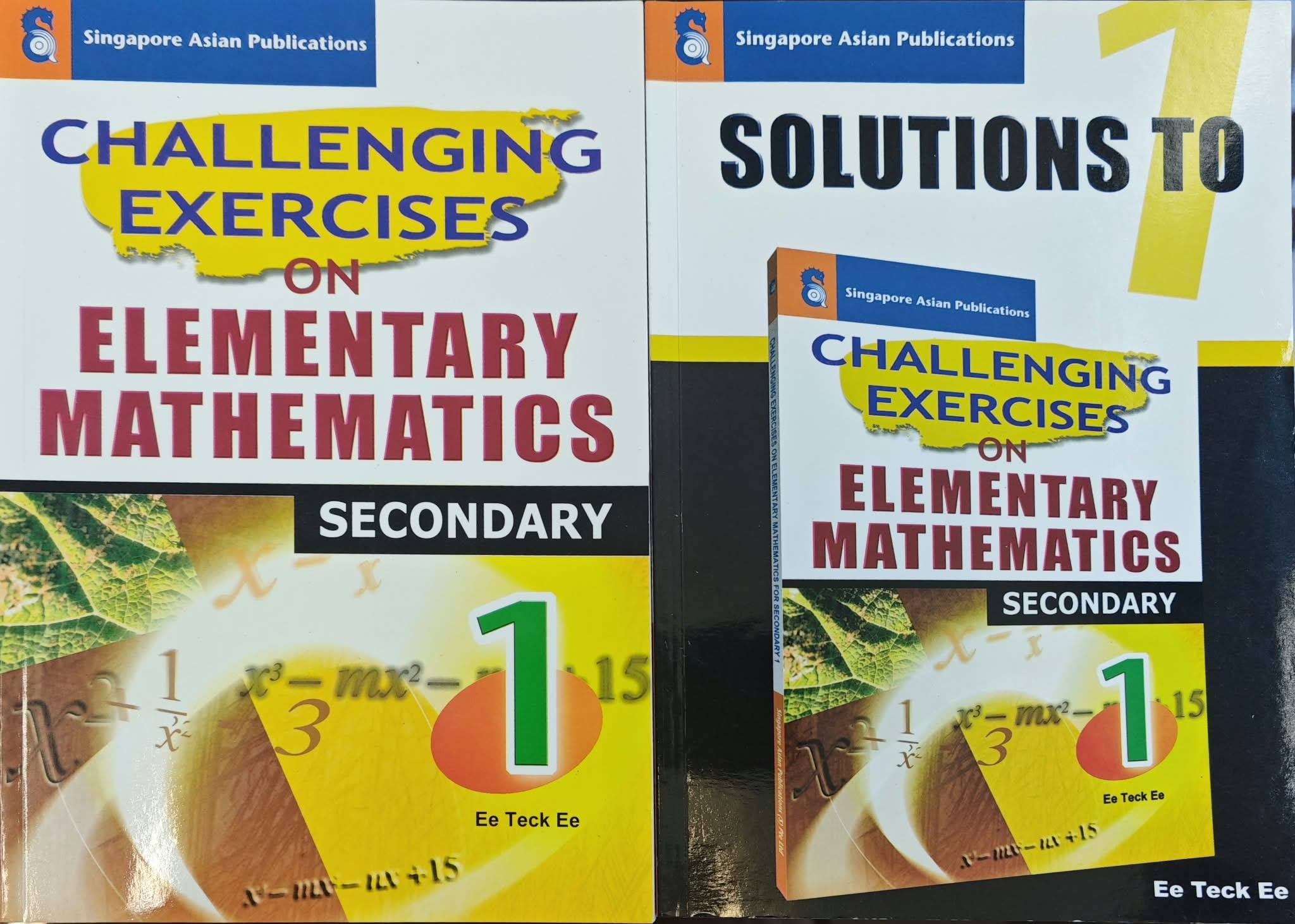
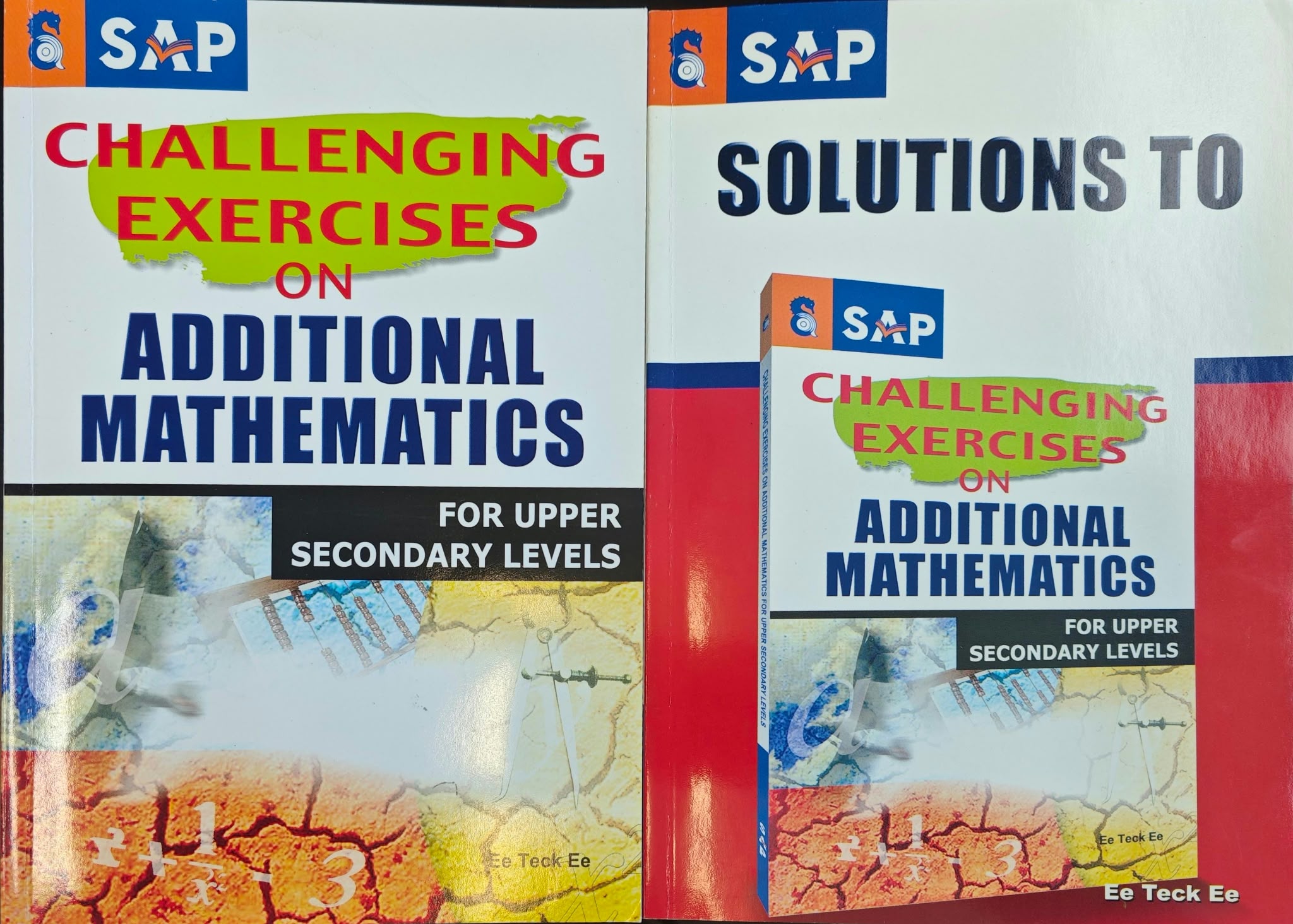
Singapore secondary resources are often built around small, carefully sequenced steps. In Maths, pupils are usually expected to understand concepts before moving to more demanding problem-solving questions. Rather than completing pages of similar sums, they may need to interpret a scenario, select a strategy and show their reasoning clearly.
This is valuable for students who can obtain answers with memorised procedures but struggle when a question is presented differently. The trade-off is that some books can feel challenging at first, especially for pupils who are already managing a heavy school timetable. A parent should not judge a book by how quickly every exercise can be finished. Productive practice includes questions that require thought, followed by enough guidance to correct misunderstandings.
For English, Singapore series commonly separate skills that are easily bundled together at school: grammar, vocabulary, editing, comprehension and writing. This makes it easier to target a precise need. A pupil whose compositions lack detail may need model texts and guided writing practice, while another who makes frequent tense errors needs structured grammar revision first.
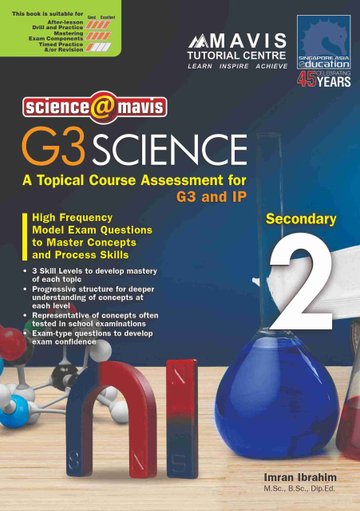
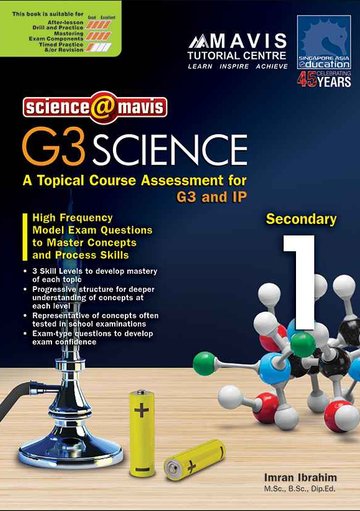
Science resources often encourage pupils to observe, compare, infer and apply scientific vocabulary accurately. They can support lower secondary learners as they move from general science towards the more specialised demands of Physics, Chemistry and Biology. However, parents should check topic coverage and terminology against the school's scheme of work, particularly for test preparation.
Start With the Student's Actual Level
The school form on the cover is only a starting point. A Secondary 2 textbook may be appropriate for a Secondary 1 learner who needs more stretch, while a pupil in Secondary 3 may benefit more from consolidating an earlier level before tackling advanced examination-style work.
Look at a sample unit or a completed school assessment and ask three practical questions. Can your child complete the basic questions independently? Do mistakes come from missing knowledge, careless reading or weak written presentation? Can they explain the method or answer aloud? The answers reveal far more than a school year label.
If foundational knowledge is insecure, choose a book with worked examples, short teaching notes and graded exercises. Going straight to difficult challenge papers can create the appearance of hard work without building reliable understanding. Conversely, if a pupil finishes routine work easily, select resources with non-routine questions, multi-step applications or higher-level reading tasks rather than simply buying more of the same level.
Avoid Buying Every Book in One Series
A complete series can look reassuring on a bookshelf, but it is rarely necessary. At secondary level, one targeted workbook completed carefully is more useful than five books left half-finished. Begin with the subject and skill creating the clearest bottleneck.
For example, a student preparing for school tests may use a Maths problem-solving book alongside class notes. A learner who reads English novels comfortably but writes vague answers may need a comprehension and response-writing resource, not another general reading book. For a student who finds Science difficult, a topic-based practice book can be more manageable than a broad revision guide covering an entire year.
Match the Book Type to the Learning Goal
Parents often ask which is the best textbook. The more useful question is: what should this book help the child do within the next eight to twelve weeks?
For concept building, choose materials that explain a method, show examples and then offer practice from straightforward to more demanding questions. This is especially suitable for algebra, ratio, percentages, grammar rules and scientific concepts that have not yet settled.
For daily reinforcement, shorter practice books work well. They are useful when a child understands lessons but needs regular exposure to prevent skills from slipping. Ten to twenty minutes of focused work several times a week is generally more sustainable than a lengthy weekend session.
For assessment preparation, look for timed practices, mixed-topic exercises and questions that resemble the level of reasoning expected in school tests. These should usually come after a pupil has reviewed weaker topics. A test paper is good at revealing a gap, but it cannot teach every missing step by itself.
For extension, select books with richer problems, wider reading passages or writing tasks that ask for evidence, structure and deliberate word choice. Extension should deepen thinking, not simply accelerate a child through content they are not ready to retain.
Choosing English Resources for Hong Kong Learners
English is rarely one single weakness. A student may speak confidently yet have limited academic vocabulary. Another may write grammatically correct sentences but struggle to organise an argument. Buying a general English workbook is convenient, but a more precise choice gives better results.
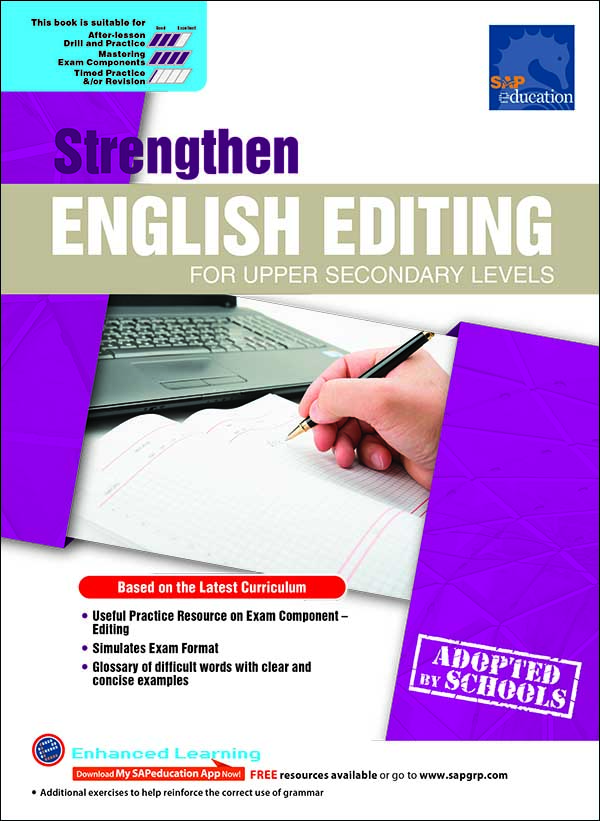
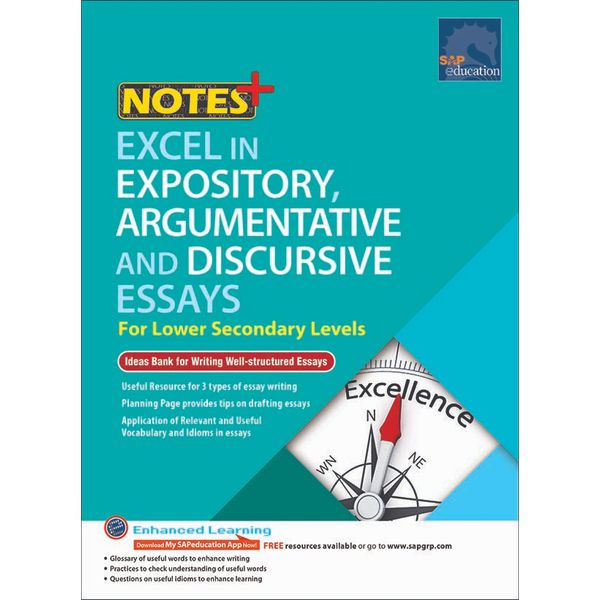
Grammar and editing resources are useful when errors are repeated: subject-verb agreement, tenses, articles, punctuation or sentence structure. Comprehension books are more effective when pupils practise locating evidence, understanding implied meaning and writing answers that directly address the question. Writing resources should include planning support, model responses and opportunities to revise, rather than only titles followed by blank lines.
Singapore English materials can provide excellent structure, though some passages, spelling choices or question styles may differ from what a Hong Kong school uses. Keep school materials central when preparing for a particular school assessment. Use supplementary books to strengthen the underlying reading and writing skills that travel across curricula.
Independent reading still matters. A demanding workbook cannot replace regular exposure to well-written stories, non-fiction and texts chosen for genuine interest. For reluctant readers, an accessible graded reader or engaging series may improve language confidence more effectively than another exercise book.
Choosing Maths and Science Resources
For Maths, check whether the book develops reasoning as well as calculation. Useful exercises should include word problems, diagrams, explanation questions and mixed review. A pupil who only practises one topic at a time may cope well in homework but struggle to decide which method to use in an assessment.
It also helps to distinguish between a difficult question and an inaccessible one. Good challenge questions build from familiar knowledge. If every page introduces unfamiliar language, too many techniques at once or unexplained leaps, the child may need a more guided level first.
For Science, select by stage and subject direction. Lower secondary pupils often benefit from resources that reinforce key ideas, laboratory awareness and scientific language. Students moving towards separate sciences need more deliberate support with calculations, definitions, diagrams and application questions. Where a school follows a particular textbook sequence, match the supplementary resource topic by topic instead of expecting one imported book to mirror every chapter.
Build a Routine That Allows Books to Work
The best Singapore secondary school textbooks only help when practice is regular enough for patterns to become visible. A simple routine is often sufficient: complete a manageable section, mark it promptly, correct errors and note the reason for each mistake. The correction stage is where learning becomes durable.
Encourage pupils to keep a small error record for recurring problems, such as misreading negative signs, omitting units, giving unsupported comprehension answers or confusing related grammar forms. Review these notes before the next practice session. This is more purposeful than repeatedly redoing pages that are already easy.
Parents do not need to teach every topic. A calm check-in can be enough: ask what was difficult, request an explanation of one answer, and help decide whether the problem is understanding, technique or time management. If a child is consistently stuck, move down a level or choose a resource with clearer worked examples. Persistence matters, but practising beyond frustration does not.
At SG BOOKS HK, families and schools can select across Singapore, Hong Kong and international resources by subject, stage and learning need. The strongest book choice is not necessarily the most advanced one. It is the one a student can return to with growing confidence, clearer understanding and enough curiosity to keep learning.