Primary School Curriculum Resource Guide
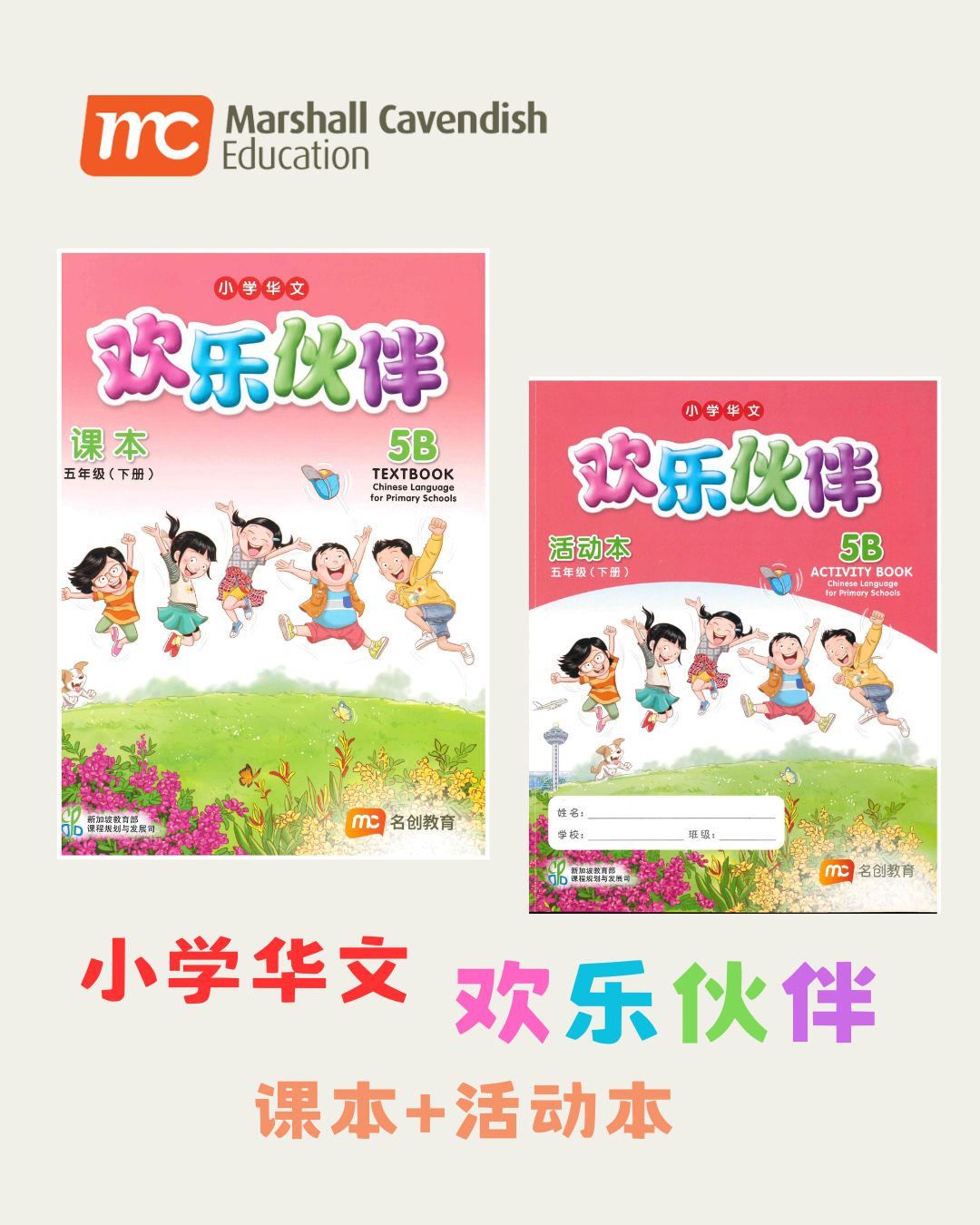
A child can be working at the expected school level in one subject and need far more support or stretch in another. That is why a primary school curriculum resource guide should not begin with the question, “Which workbook is best?” Start with a more useful question: “What does my child need to practise next?” The right book can build confidence and consistency. The wrong one can create unnecessary frustration, even when it is a popular series. For Hong Kong families, resource selection often involves more than one educational approach. School materials may follow the local curriculum, while Singapore titles offer structured practice in English and mathematics, and international readers help children develop fluency, vocabulary and a lasting reading habit. A sensible home collection brings these strengths together rather than expecting one book to do every job.
Start with the child, not the cover
Year or Primary level is a helpful starting point, but it is not a complete placement test. Before buying, look at recent schoolwork, teacher feedback and the type of homework that causes delays. A child who finishes arithmetic quickly but loses marks through careless reading may need word-problem practice, not another book of sums. A child who reads English aloud smoothly but cannot explain a passage may need reading comprehension and vocabulary work rather than more phonics. Choose one clear aim for each resource. It might be consolidating class learning, repairing a gap, preparing for an assessment, or offering enjoyable independent reading. When every book has a purpose, parents can avoid the common problem of buying several similar exercises that are only partly completed. It also helps to check the page design. Younger pupils benefit from generous spacing, short instructions and examples before independent questions. Older primary pupils can manage longer passages and multi-step tasks, but should still be able to see what a question is asking. A resource that is slightly challenging can be productive. One that requires constant adult translation or explanation is usually pitched too high.
English resources: build skills in the right order
English progress is not one skill. It includes phonics or word recognition, spelling, grammar, vocabulary, reading comprehension, writing and speaking. A child does not need a separate book for every area at every moment, but families should avoid focusing on grammar drills alone.
Early primary: phonics, vocabulary and reading confidence
For children beginning primary school, phonics resources work best when they are paired with decodable readers or simple storybooks. Phonics teaches the relationship between letters and sounds; reading gives those skills a reason to be used. Repeatedly completing sound worksheets without reading connected text can make learning feel mechanical. Look for graded reading materials with controlled vocabulary and an achievable amount of text on each page. Once a child can read independently, include picture books and short stories that are slightly richer than their independent level for shared reading. This exposes them to natural sentence patterns, descriptive language and ideas beyond a narrowly controlled reader. At this stage, short spelling and handwriting practice can support classroom learning, especially where children confuse similar sounds or letter patterns. Keep sessions brief. Ten careful minutes several times a week is generally more effective than a long weekend session that ends in tears.
Upper primary: comprehension, grammar and purposeful writing
As texts become more demanding, children need to learn how to retrieve information, infer meaning, compare viewpoints and support an answer with evidence. Good comprehension books use varied text types, including stories, reports, instructions, advertisements and letters. This matters because assessment passages are not always narrative. Grammar resources should match the child’s current writing needs. If sentence boundaries and tenses are insecure, advanced exercises on clauses will not solve the problem. Start with accurate basic sentences, then develop conjunctions, paragraphing, punctuation and editing. A separate editing exercise can be particularly valuable for pupils who know a rule when asked but do not notice mistakes in their own work. For writing, model texts are useful, but copying a model is not the final goal. Choose materials that show children how to plan, select vocabulary, organise paragraphs and revise. A composition book should leave room for ideas and improvement, not only provide a finished answer to imitate.
Maths resources: practise methods and mathematical thinking
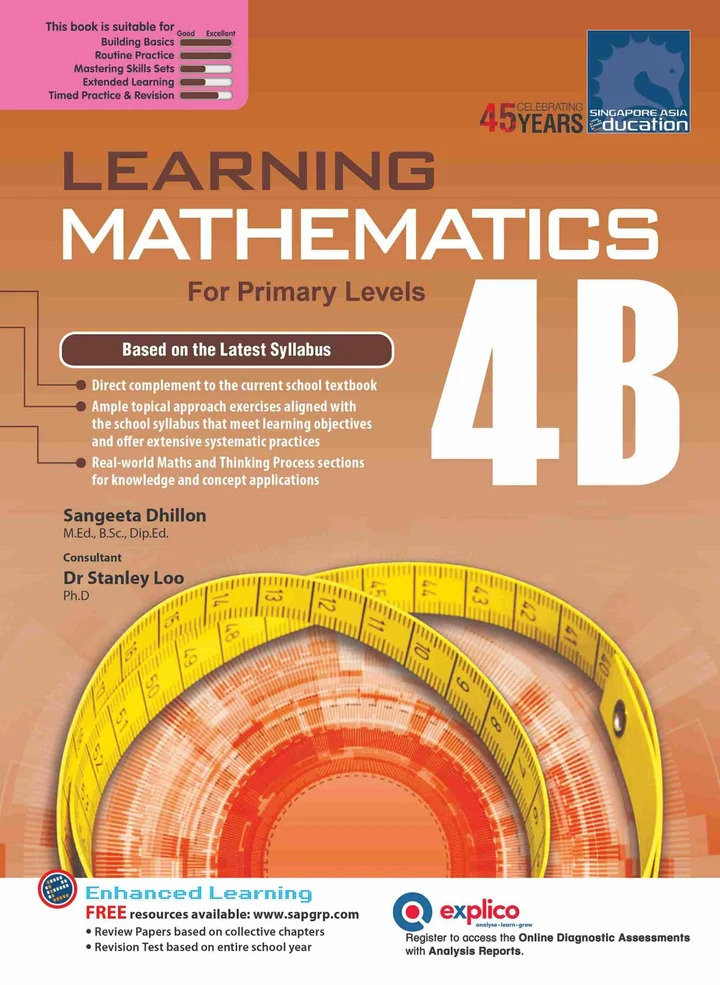
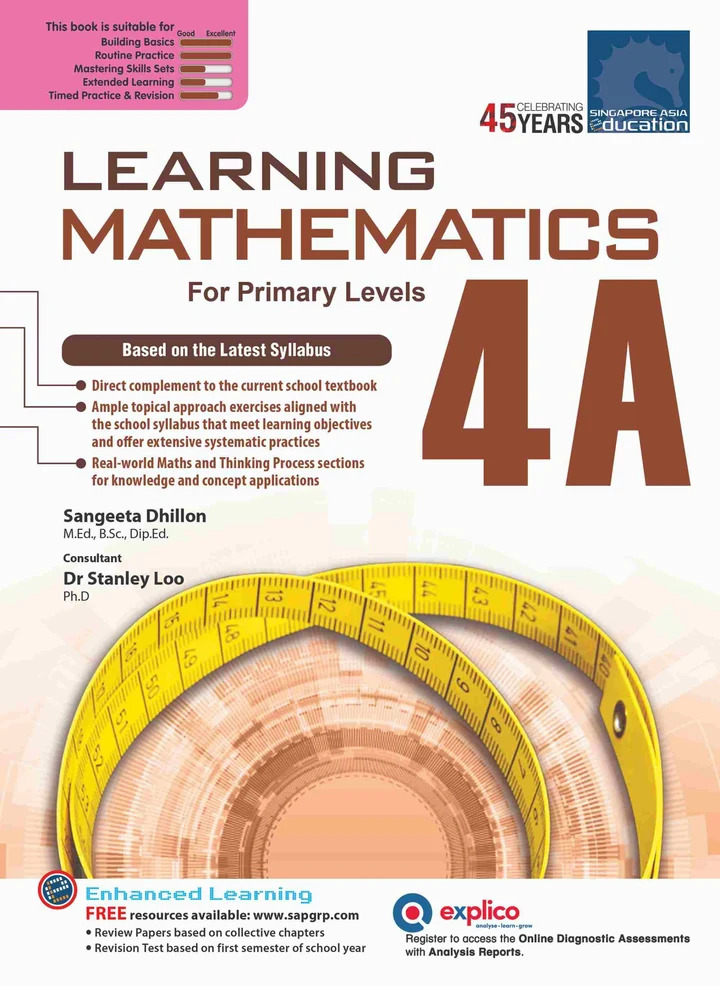
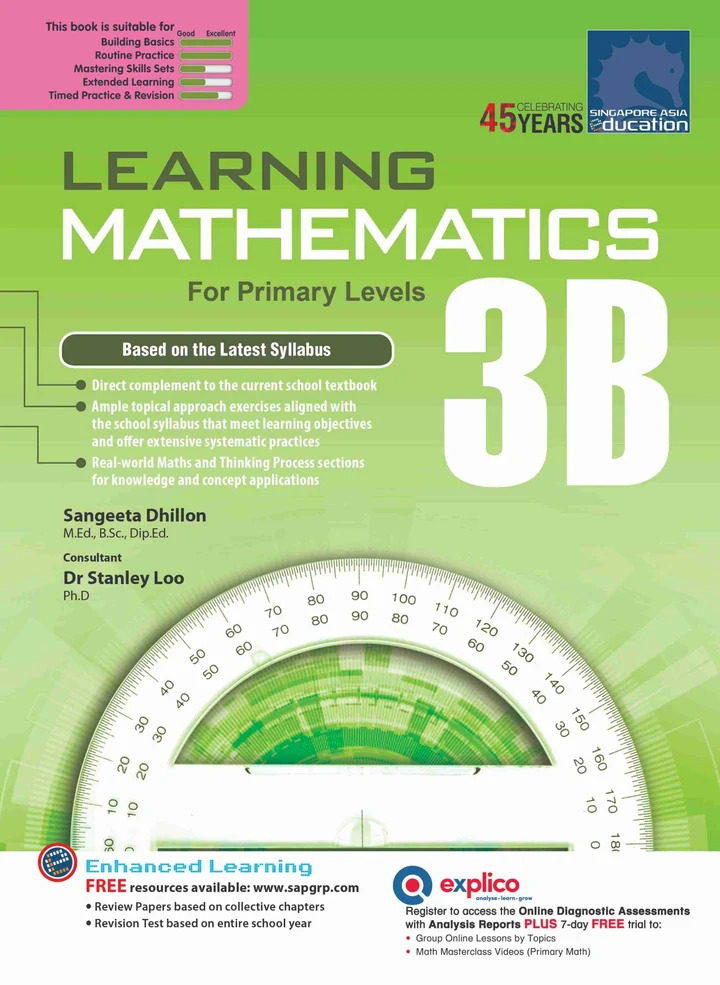
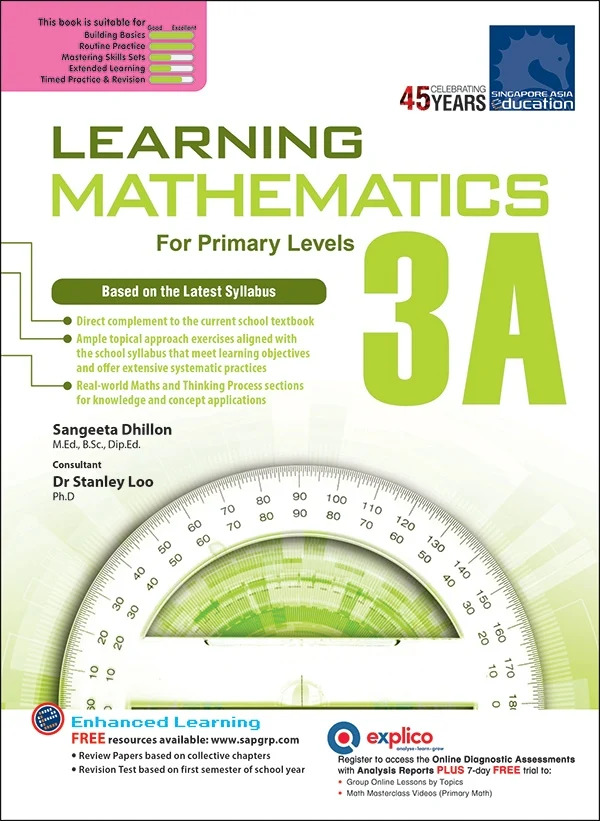
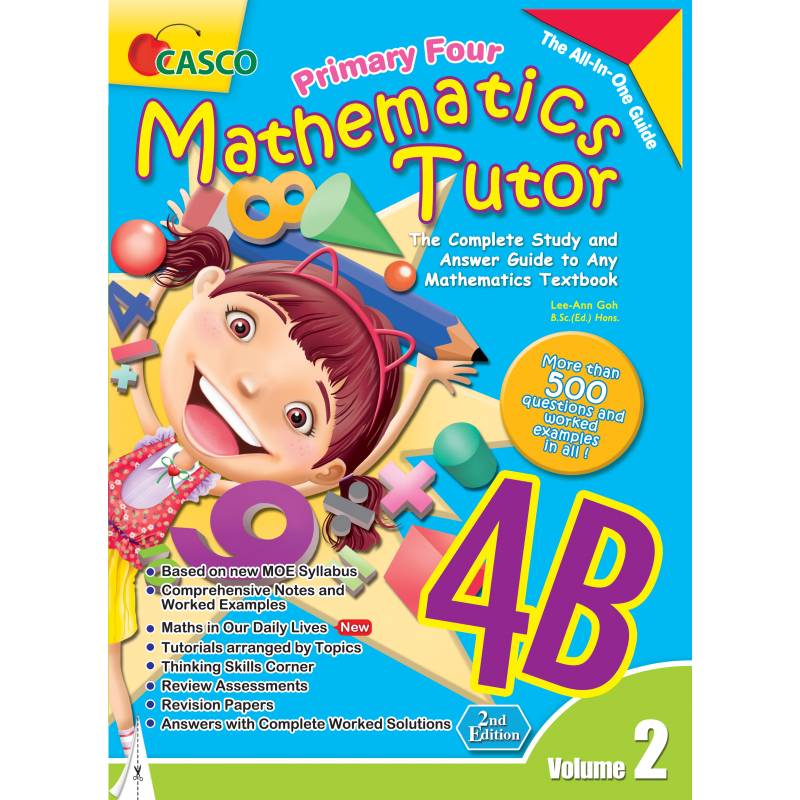
Mathematics books are often chosen by year group alone, yet the most useful choice depends on whether a child needs fluency, understanding or challenge. These are related but not identical. A pupil who is unsure of number bonds, times tables, place value or written methods needs regular, graduated practice. Singapore-style mathematics resources are often helpful here because they move carefully from concepts to worked examples and then to practice. Their structured progression can make weak foundations visible before topics become more difficult. However, speed is not the whole story. Once core calculations are secure, children should also meet problems that require them to choose an operation, interpret a diagram or explain a method. Word problems are valuable because they reveal whether a child understands the maths behind the calculation. If a child can complete a page of multiplication but cannot identify multiplication in a practical question, add reasoning practice rather than simply increasing the number of sums. Do not rush to a higher-level workbook because the questions look impressive. Working securely through the expected level, then adding a small amount of extension, usually creates stronger long-term confidence. For able pupils, challenge should mean deeper reasoning and unfamiliar applications, not pages of content that has not yet been taught.
Science and general knowledge: move beyond memorising facts
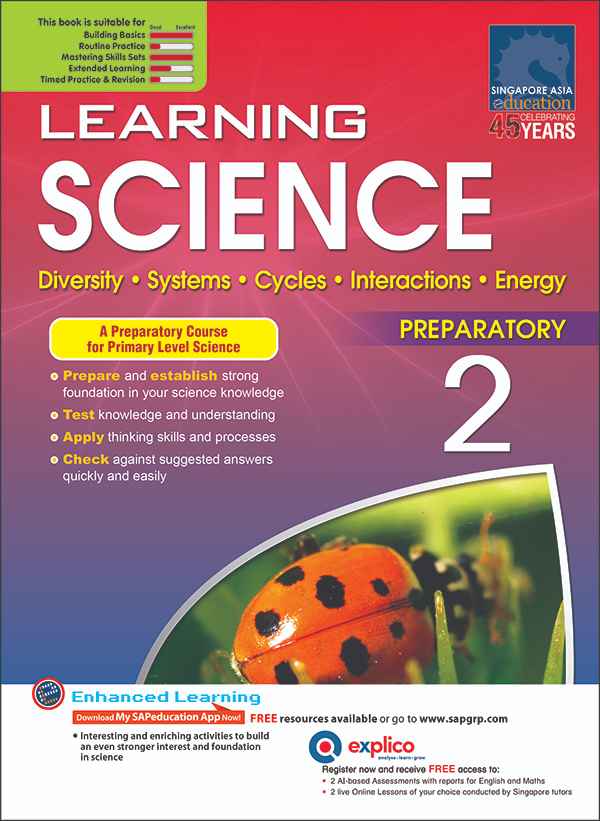
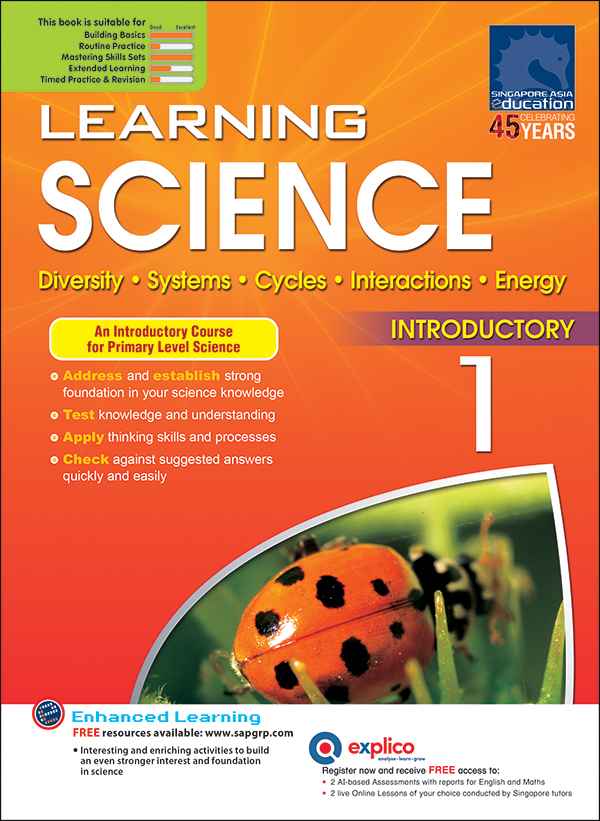
Primary science resources should help children observe, predict, classify and explain. A well-chosen book may cover living things, materials, forces, light, weather, space and the human body, but the presentation matters as much as the topic list. Look for clear diagrams, precise vocabulary and questions that ask children to think about what might happen and why. Simple home investigations can make learning more memorable, provided they are safe and practical. Measuring shadows, sorting materials by properties or observing plant growth creates opportunities to use scientific language in a real context. For pupils learning science through English, illustrated non-fiction readers can be an excellent bridge. They develop subject vocabulary without the pressure of a formal exercise book. This is especially helpful for children who understand an idea orally but find dense textbook language difficult.
A primary school curriculum resource guide for weekly routines
Resources are only useful when they fit family life. A realistic routine is more likely to last than an ambitious timetable that depends on an hour of study every evening. For most primary pupils, short and regular practice works well: perhaps two focused English sessions, two maths sessions and frequent reading across the week. Keep a notebook or folder for errors worth revisiting. There is little value in marking a page, saying “be more careful”, and moving on. Instead, identify the pattern: missing units in maths, confusing past and present tense, rushing the final comprehension question, or overlooking key words such as except and most likely. Revisit a small set of similar questions after a few days. This turns mistakes into information rather than evidence of failure. Reading deserves its own place in the routine. It should not always be treated as another task to be marked. Let children choose some books purely because they are funny, exciting, puzzling or connected to a favourite interest. Series fiction, illustrated novels, biographies, myths and factual books all count. The aim is to raise both reading ability and the willingness to pick up a book without being asked.
How to build a balanced home resource shelf
A practical selection does not need to be large. Begin with a current-level English practice book, a maths book matched to the child’s confidence, and reading material at more than one level. Add a science or general knowledge resource if it supports school topics or the child’s interests. When a specific weakness appears, then choose a targeted resource such as phonics, grammar, composition, problem solving or comprehension. Families preparing for school assessments may add test-style practice, but timing matters. Assessment papers are most useful after the underlying skills have been taught and practised. Starting them too early can encourage guessing and memorising formats instead of learning. Use them in small sections, review errors carefully and avoid allowing test preparation to replace reading and normal skill-building. For schools, learning centres and libraries, consistency across year groups can make planning easier. A series with clear progression allows teachers to identify where pupils should begin, while a wider selection of readers supports varied interests and language levels. Bulk selection should still leave room for individual needs: the most orderly shelf is not always the most useful one. SG BOOKS HK helps families and educators compare Hong Kong, Singapore and international materials by subject, stage and learning goal. The most effective choice is rarely the most fashionable title. It is the resource a child can understand, return to regularly and gradually outgrow with pride. A well-stocked learning shelf should feel less like extra schoolwork and more like a dependable toolkit: one that helps a child handle today’s lesson, approach tomorrow’s challenge and still find time to read for pleasure.